Alcohol Allergies: Symptoms, Signs, and Treatment for Reactions
Plinko Erfahrung: Betrug oder seriöses Spiel?
April 28, 2021Crossy Road game play online for free
May 25, 2021Alcohol Allergies: Symptoms, Signs, and Treatment for Reactions
Sulfites are preservatives used in the production of certain foods and beverages, including beer, wine, and cider. Examples of conditions that can cause alcohol intolerance or sensitivity are outlined below. If you’ve realised that your body is drug addiction treatment suddenly intolerant to alcohol, don’t worry—there are steps you can take to manage it and still enjoy your social life. You head out with friends, expecting the usual fun night, but instead, one drink leaves you flushed, nauseous, or struggling to breathe. This kind of reaction is far from your typical experience, and now you’re left wondering why your body is suddenly unable to handle something it has always tolerated.
Recovery Can Be Life Changing

Alcohol allergies are rare, but if you do have one, it doesn’t take much to trigger a reaction. Allergy Insider is committed to providing accurate, evidence-based information to empower allergy patients and support healthcare providers. Get comprehensive information on hundreds of whole allergens and allergen components. Consulting with a healthcare provider is essential for an accurate diagnosis. Over time, a person’s tolerance may also change due to changes in metabolism, body mass, and bodily functions as they age. Alcohol intolerances are usually genetic but may also occur without a known cause.
What practical steps can reduce alcohol-related reactions at home?
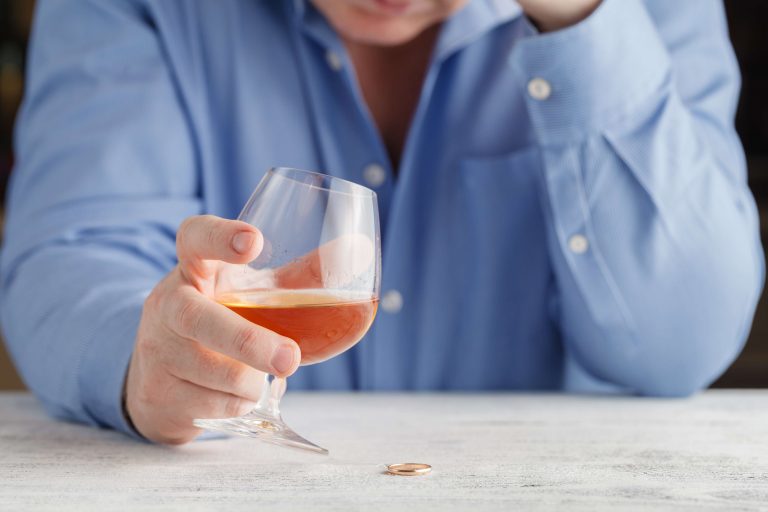
For instance, some people may react poorly to certain grains like barley or wheat, which are used in many beers and spirits. Others might have issues with the sulfites or histamines, as mentioned earlier. A food intolerance test can shed light on what might be causing those discomforting symptoms.
- Your body needs this enzyme to properly metabolize alcohol and eliminate it from the body, so there’s nothing you can do to prevent or cure alcohol intolerance.
- This may be from alcohol intolerance, an allergy to something in the drink, or because alcohol worsens an existing skin condition.
- As a result, a person may experience facial flushing and skin and digestive issues.
Some common examples include cheese, wine, meats, fish, and fermented foods like sauerkraut. In fact, a lot of alcoholic beverages, including wine, contain histamines too. There are various home-to-laboratory test kits that can help identify sensitivities to common ingredients found in alcoholic beverages. These tests typically measure the immune system’s IgG response to different food and drink ingredients. Those who still want to drink should moderate intake and choose alcoholic beverages with lower congener content (substances produced during fermentation) can help minimize reactions. In some cases, antihistamines or other medications may help alleviate certain symptoms like flushing or nasal congestion.
When to See a Doctor?
This intolerance can manifest through a variety of symptoms, ranging from mild to severe. It is important to differentiate alcohol intolerance from alcohol allergy, as they are distinct conditions with different causes and triggers. Alcohol intolerance is a complex condition that can have various underlying causes. By understanding these causes, individuals can make informed decisions about their alcohol consumption and seek appropriate treatment options.
Food Intolerance Tests
- Other fermented foods to watch out for include yogurt, kefir, and sourdough bread.
- Skin tests can determine if you have an allergy to specific components found in alcoholic beverages and are used to rule out the possibility of an alcohol allergy.
- However, it is important to note that alcohol intolerance can affect people of all races and ethnicities, although the prevalence is higher among individuals of Asian ancestry.
- This manifests as uncomfortable but non-life-threatening symptoms, as the body cannot break down the alcohol or another component of the alcoholic drink.
- To help with this, a person should document all of their symptoms and note how long after drinking alcohol they occur.
- Some sufferers may experience alcohol intolerance symptoms shortly after consuming alcohol – roughly 20 or 30 minutes – finding a runny nose and flushed face occurring first.
Preventing alcohol intolerance and hangovers requires different strategies. To prevent alcohol intolerance, it’s important to avoid alcohol if you know it causes symptoms for you. If you choose to drink anyway, limiting your consumption or choosing drinks with lower alcohol content may help prevent symptoms from occurring. Some possible reasons for a sudden change in alcohol tolerance include changes in liver function, medication interactions, dehydration, stress, or changes in drinking habits.
You see, as we age, our bodies produce less of an important enzyme called alcohol dehydrogenase (ADH). This enzyme plays a key role in breaking down alcohol in your system, turning it into a less toxic substance for your body to process more easily. When ADH levels drop, as they often do with age, alcohol lingers in your bloodstream longer. This can make the toxic effects of alcohol stronger and last longer, even if you’re drinking the same amount you always have.
It typically occurs because of a genetic difference that makes the body unable to break down alcohol efficiently. The best way to live with this condition is to avoid alcohol as much as possible. Avoiding alcohol will allow you to live an active, enjoyable life without unpleasant symptoms. More often, people have intolerance, which means their body struggles to break down alcohol, or they react to things in the vodka like grains, sulfites, or added flavorings.
Impact of Enzyme Deficiencies on Alcohol Metabolism
Her work has also appeared in the Toronto Star, Vancouver Province, and the National Post. She received a bachelor’s degree in journalism from Ryerson University in Toronto. Limiting your alcohol intake or avoiding it altogether is the best course of action. Alcohol intolerance is a genetic disorder caused by the lack of alcohol dehydrogenase (ADH) or aldehyde dehydrogenase (ALDH2) in the body.
- There are several testing methods your doctor will use to help confirm the diagnosis.
- It is mainly caused by genetics; individuals with this condition lack enough of the enzyme ALDH2, which breaks down alcohol.

When individuals with alcohol intolerance consume alcohol, it can further contribute to the histamine load in their bodies. Alcohol can stimulate the release of histamine and inhibit the enzymes responsible for breaking it down, making the symptoms of alcohol intolerance alcohol intolerance more pronounced. Furthermore, alcohol intolerance can affect individuals not only physically but also emotionally and psychologically. The fear of experiencing adverse reactions may cause anxiety or stress when faced with situations involving alcohol. It’s important for individuals with alcohol intolerance to be aware of their condition and take steps to manage it effectively. People with the ALDH2 deficiency are at higher risk for certain types of cancer, including liver cancer.
If left untreated, alcohol intolerance can have serious long-term effects on your health. For example, if you continue to drink alcohol despite experiencing symptoms of alcohol intolerance, you may be at risk for developing liver damage or other chronic health conditions. This can lead to allergy-like symptoms such as hives, itching, and https://ecosoberhouse.com/ difficulty breathing.
